Highlights:
- Hue countryside
- Fishing village (Tam Giang lagoon)
- Oyster farm (Lap An lagoon)
- Mo spring
- Lang Co beach
- Hai Van pass
- Linh Ung pagoda (Son Tra peninsula)
- My Khe beach
- price: 1650000vnd/person (65$/person)
includes: English speaking rider, motorbike, helmet, petrol, poncho, entry fees, drinks (bottle of water, coffee…)
excludes: lunch, personal expense
payment: payable at arrival (cash/credit card)
BOOKING NOW
Destinations
☆ Tam Giang Lagoon (Fishing village) is located at the merge of three big rivers including O Lau, Huong and Bo Rivers. It belongs to Tam Giang – Cau Hai, which is the largest freshwater lagoon system in Hue. The region directly or indirectly provides the sufficient living conditions to about 300,000 inhabitants of 326 villages in 31 communes around. Recognized as the richest source of flora and fauna in Southeast Asia, Tam Giang Lagoon in ancient Hue is an amazing place that is rarely discovered by tourists. It is also beautiful at sunset when golden water is sparkling in along with a maze shrimp farming fields of all shapes and sizes that all fascinate travellers.
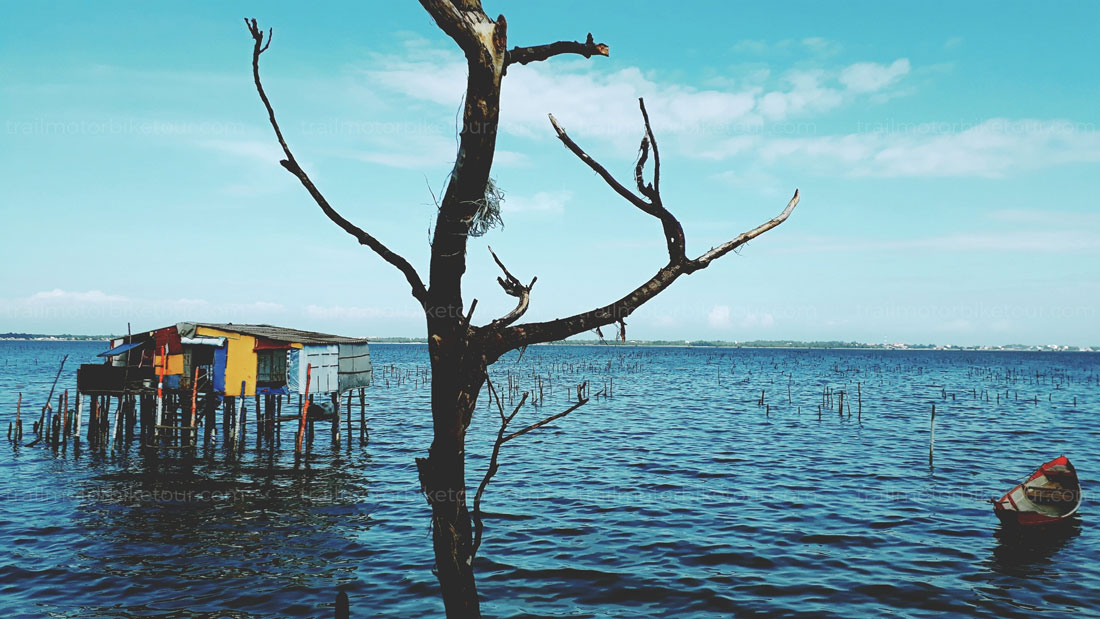 ☆ Lap An lagoon (Oyster farm) is an 800-hectare brackish water lagoon in Hue and a part of Lăng Cô Bay, Phu Loc District, nestled between Hai Van Pass and Phu Gia Pass. Setting against the backdrop of magnificent Bach Ma mountain range and facing the beautiful Lăng Cô beach, Lập An lagoon is one of the remarkable natural landscapes in Hue, often described by travel lovers a place where mountain meets ocean.
Visiting Lập An Lagoon, travellers can enjoy the picturesque scenery with white clouds floating on high mountain ranges in the unique bright blue sky background. The lagoon is as beautiful as the mysterious haven in the wonderland that can make people fall in love at the first sight. As a tip shared between travellers, the best moment of lagoon comes during the low tide period of the day when people can walk on the sandy footpath emerging in the midst of water. Stunning and slightly adventurous, this favourite walk brings people a unique chance to see the water parted by a thin belt of land and find themselves lost in an immense natural beauty.
In addition to poetic nature, Lập An lagoon is the habitat for many aquatic animals and plants. The special is oyster which local people consider “heavenly gift” for their homeland. Superior to the oyster farmed in other areas of the country, Lăng Cô’s oyster delivers very high nutritional value and distinctive taste, and is must-try for dining in Lăng Cô.
Lập An lagoon is associated with the rustic and simple life of local people. Spending a day walking through old-day fishing villages, you can find yourself close to the daily living of local people and explore the sea culture of this amazing destination. Observe how people spread the net to catch fish in the immense lagoon, pick scallops deep in the sand or farm oysters in the water. You will then keep yourself into the stories of how harmonised the livings by Lập An lagoon be with nature for centuries.
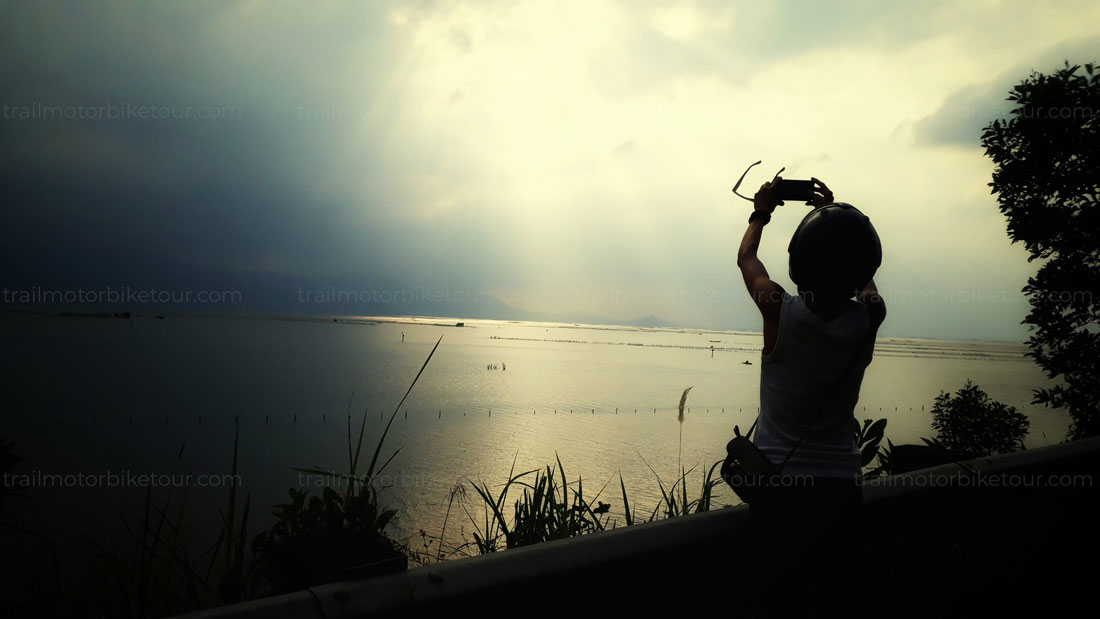
☆ Lang Co beach is 30km away from Danang city towards the South and 70 kilometres away from Hue city towards the North.
With the strategic position between 3 centres of World Cultural Heritage Conservation (Hue ancient capital, Hoi An ancient Town and My Son Sanctuary), Lang Co adds a wonderful touch to the mix and definitely keeps visitors stay in this area
At Hai Van Mount foot there appears the beautiful Lang Co, an island-like stretch of palm-shaded white sand whose sand banks are 1.5m – 10.5m from sea level. The sand banks gradually change their height to 5.0m-23m from sea level, with total stretching line of 8 – 9 kilometres. Surrounded by mountains, tropical jungles, and the boundless blue sea, Lang Co has almost everything that the nature can offer: green mountains, lush tropical forests, smooth white sand, abundant sunshine and cool, blue and crystal clear sea. Lang Co beach, since June 2009 has been named one of the “World’s most beautiful bays”.
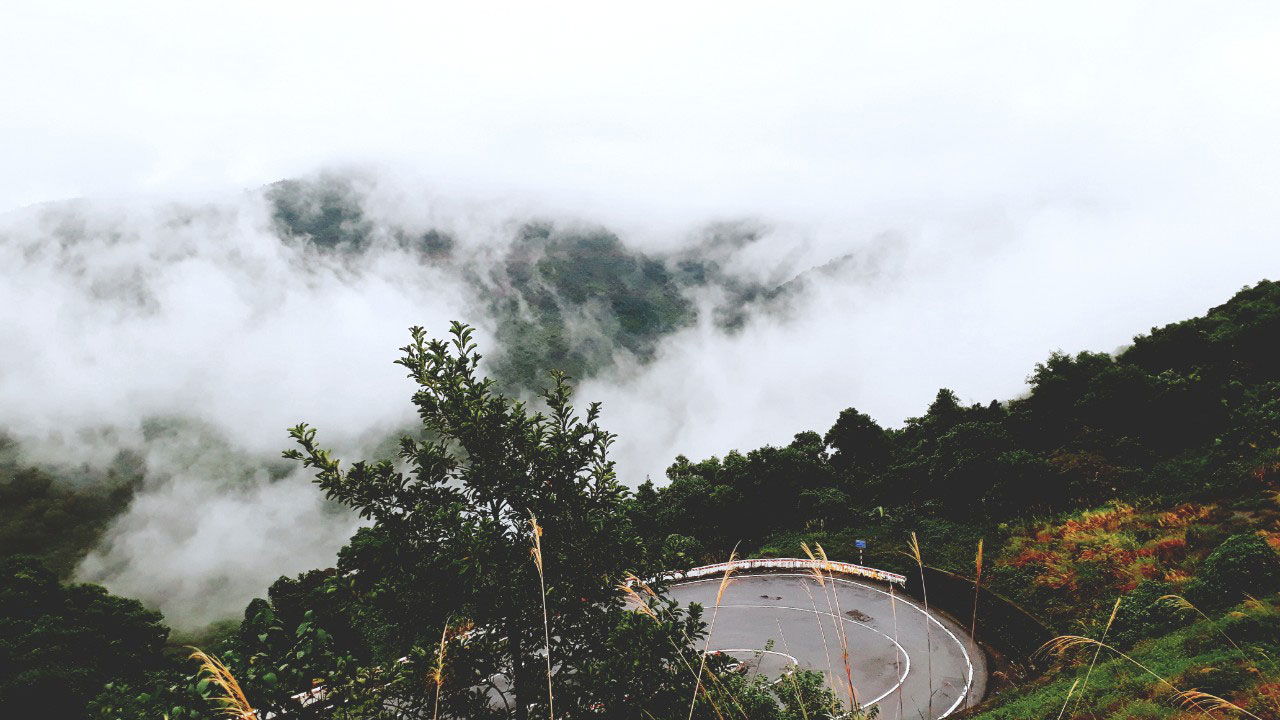
☆ Hai Van pass: A contender for the most famous road in Vietnam, the Hai Van Pass is a short but scenic route winding around a mountainside above the East Sea, on the central coast. Ocean Cloud Pass – is famous for a number of reasons: as a geographic and political boundary between ancient kingdoms; as a climatic divide between the tropical south and the subtropical north; and as a strategic military post during times of war, both ancient and modern. But, most recently, the Hai Van Pass is famous, quite simply, as a great road trip linking the popular central Vietnamese destinations of Hoi An, Danang, and Hue. For Vietnamese and foreign road-trippers alike, the Hai Van Pass is a favourite ride, its fame bolstered by the popularity of the Top Gear Vietnam Special (2008), in which the presenters waxed lyrical about the pass, inspiring a generation of travellers to take to the road on two wheels and hit the Hai Van Pass. Although it’s certainly not the greatest road in Vietnam, the Hai Van Pass is still a lot of fun to ride, with excellent views, light traffic, and easy access from several cities.
☆ Marble mountain is a group of five limestone peaks situated seven kilometres from downtown Da Nang. The five karsts (called Ngu Hanh Son in Vietnamese) are named after the five elements: Kim (metal), Thuỷ (water), Mộc (wood), Hoả (fire) and Thổ (earth). Over centuries, Marble Mountains has held special significance for the people of Central Vietnam. The ancient Cham revered the karsts as a spiritual site, and Vietnamese emperors from Hue and legendary generals passing through paid visits to the peaks, adding to their store of legends.
Marble Mountains is home to a network of caves, tunnels, towers, and pagodas built by Mahayana Buddhists and the Nguyen Dynasty Kings. The structures and shrines blend harmoniously with nature: Vine tendrils drip from above, frangipani and Poinciana trees drop their blossoms on the stone paths, and the pagodas’ ornate roofs sparkle in the tropical sun. It’s a setting that easily captures the imagination.